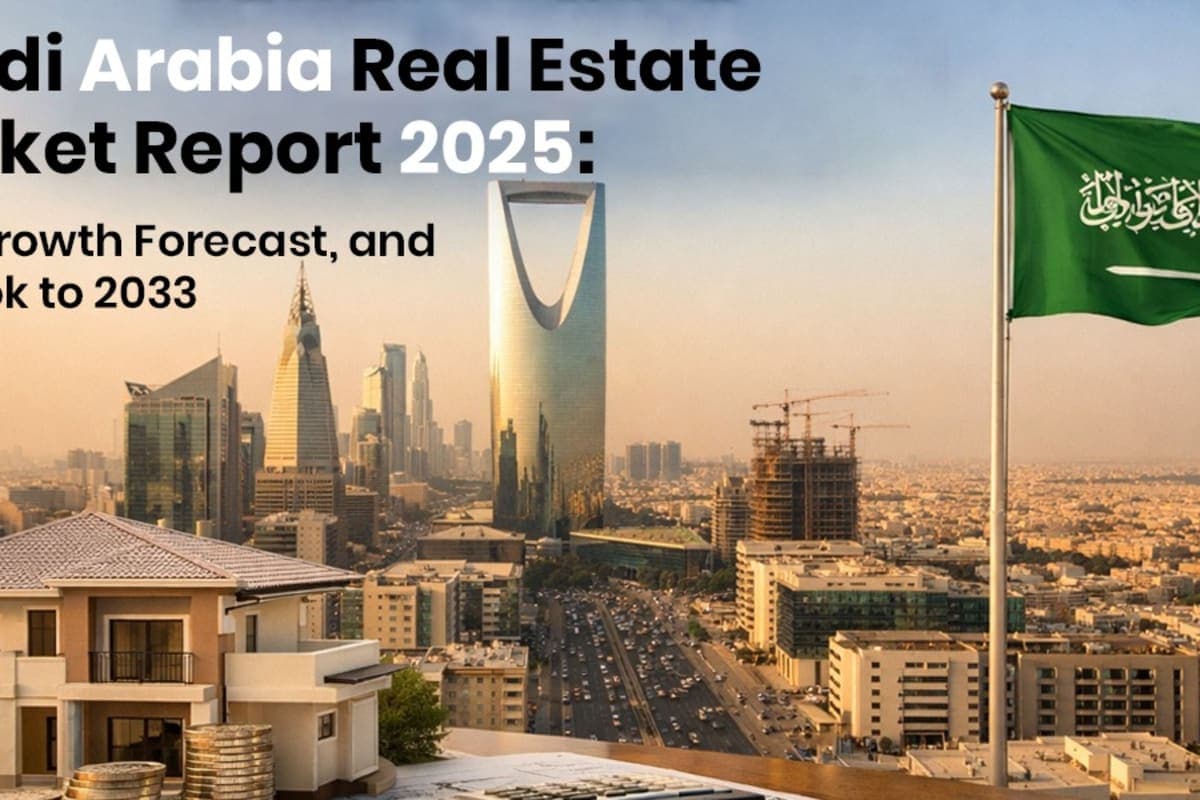
Saudi Arabia’s Real Estate Market Surpasses $44 Billion in H1 2026

Saudi Arabia’s real estate sector has reached a major milestone, with total property transactions surpassing $44 billion in the first half of 2026. This growth reflects a strong upward trend in the Kingdom’s property market, supported by increasing demand across residential, commercial, and tourism-driven developments.
The surge in transaction volume highlights the rapid transformation of Saudi Arabia’s economy under Vision 2030, where real estate is emerging as a key pillar of diversification. Rising investor confidence, improved regulatory frameworks, and large-scale infrastructure investments are collectively driving this momentum.
In addition, the expansion of mega projects, increased foreign investor participation, and digitization of property transactions have made the Saudi real estate market more transparent, accessible, and globally competitive.
A Powerful Shift Toward Vision 2030
Saudi Arabia’s real estate growth is not a short-term spike but a reflection of a long-term structural shift aligned with Vision 2030 objectives. The Kingdom is actively reducing its reliance on oil by investing in sectors like real estate, tourism, and infrastructure, which are now contributing significantly to economic growth.
The $44 billion milestone in H1 2026 demonstrates how policy reforms and strategic investments are translating into real market performance. Government initiatives aimed at improving housing availability, attracting foreign capital, and enabling private sector participation have played a crucial role in this transformation.
Key factors contributing to this shift include:
• Large-scale execution of giga projects such as NEOM, Red Sea Project, and Diriyah Gate
• Regulatory reforms enabling greater foreign ownership and investment access
• Growth in mortgage financing and housing support programs
• Rapid urbanization and increasing demand for modern housing
• Digital transformation in property registration and transaction systems
These factors have collectively strengthened the foundation of Saudi Arabia’s real estate market, making it one of the most promising investment destinations in the region.
Unprecedented Growth Across Sectors
Saudi Arabia’s real estate market performance in H1 2026 reflects broad-based growth across multiple sectors, indicating that the expansion is not limited to a single segment but is driven by a strong and diversified economic foundation.
This exceptional performance is primarily supported by:
• Consistent investor confidence driven by stable policies and long-term Vision 2030 clarity
• Rapid demographic expansion, with increasing urban population fueling housing demand
• Expanding government-backed infrastructure initiatives, including transport, smart cities, and logistics hubs
These factors collectively highlight the Kingdom’s successful transition from an oil-dependent economy to a more diversified, investment-driven ecosystem, where real estate plays a central role alongside tourism, logistics, and technology sectors.
Residential Market Driving Demand
The residential real estate sector continues to be the largest contributor to overall market growth, particularly within master-planned communities in major cities such as Riyadh, Jeddah, and Dammam. Demand is being driven by a wide spectrum of buyers, reflecting the evolving housing needs of the population.
Key buyer segments shaping the residential market include:
• First-time buyers benefiting from government-backed housing programs and financing support
• Affluent investors seeking luxury villas, branded residences, and premium gated communities
• Middle-class families focusing on sustainable, smart, and well-connected housing developments
In addition, improved mortgage availability, flexible payment structures, and access to Premium Residency programs are significantly boosting homeownership rates. The shift toward integrated community living and modern housing infrastructure is further accelerating demand in this segment.
Vision 2030 Mega-Projects: Catalysts for Expansion
Saudi Arabia’s Vision 2030 strategy continues to act as a powerful catalyst for real estate expansion, with giga projects playing a critical role in shaping the future of the Kingdom’s property landscape. These developments are not only large in scale but are also designed to redefine urban living, tourism, and investment opportunities.
Major mega-projects driving this growth include:
• NEOM – a futuristic smart city focused on innovation, sustainability, and technology
• The Red Sea Project – a global luxury tourism destination with high-end hospitality developments
• Diriyah Gate – a cultural and heritage-driven urban development project
• Qiddiya – a large-scale entertainment and leisure city
These transformative projects are contributing to the real estate sector in multiple ways:
• Attracting significant foreign direct investment (FDI) into the Kingdom
• Creating large-scale employment opportunities across construction and services
• Driving demand for residential, commercial, retail, and hospitality real estate
The ripple effect of these projects is visible across the broader market, leading to increased activity in construction, leasing, property management, and long-term asset development, further strengthening Saudi Arabia’s position as a global real estate investment destination.
Commercial Market Recovery Accelerates
The commercial real estate sector in Saudi Arabia is witnessing a strong and sustained recovery in 2026, particularly in high-demand segments such as Grade A office spaces in Riyadh. This resurgence is closely linked to the Kingdom’s broader economic reforms and its strategic push to position itself as a regional business and investment hub.
The demand for premium commercial spaces is being driven by several key factors:
• Relocation of international and regional headquarters to Saudi Arabia, especially under government-backed initiatives
• Regulatory incentives encouraging companies to establish a physical presence within the Kingdom
• Expansion of financial, technology, and consulting sectors increasing demand for modern office infrastructure
At the same time, the retail real estate sector is evolving rapidly, supported by changing consumer behavior and rising disposable incomes. The sector is experiencing growth through:
• Adoption of omnichannel shopping models integrating physical and digital retail experiences
• Development of lifestyle malls and destination retail centers focused on entertainment, dining, and leisure
• Increasing demand for experiential retail spaces aligned with tourism growth
These trends are further strengthened by rising consumer spending, increasing tourist inflow, and a young, urban population, all of which are contributing to the long-term sustainability of commercial real estate growth in Saudi Arabia.
Investment Confidence at an All-Time High
Investor confidence in Saudi Arabia’s real estate market has reached unprecedented levels in 2026, supported by a series of structural reforms and policy enhancements aimed at creating a more transparent and investor-friendly environment.
Multiple government-led initiatives have significantly improved the ease of doing business and expanded access for both domestic and international investors. Key reforms driving this confidence include:
• Liberalized foreign ownership rules, allowing non-Saudis to invest in approved real estate sectors under defined regulations
• Expansion of mortgage lending programs, increasing financing accessibility for individuals and investors
• Strengthening of legal frameworks and introduction of digital property registration systems ensuring faster and more secure transactions
• Improved transparency and governance standards aligned with global investment practices
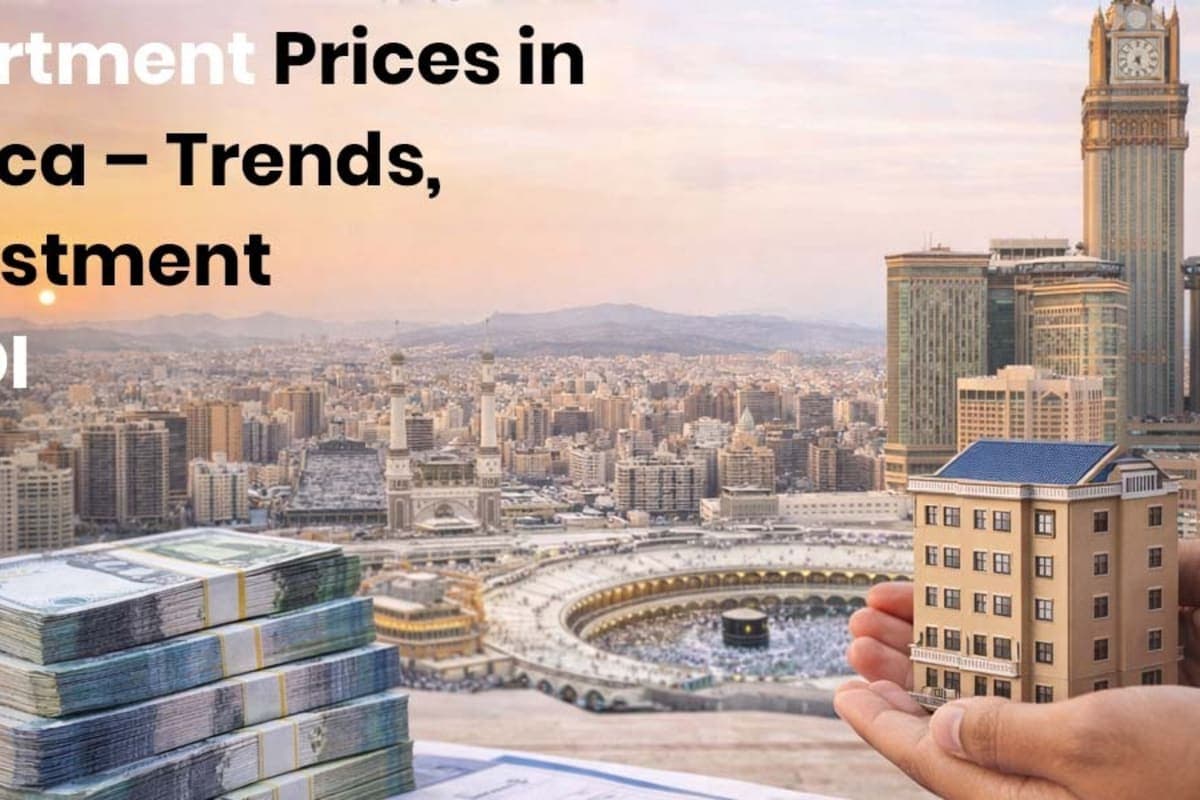
In addition, foreign investors are now able to gain exposure to real estate assets in previously restricted areas such as Makkah and Madinah through publicly listed companies, under regulated ownership limits. This development marks a significant shift in market accessibility and signals the Kingdom’s commitment to opening its real estate sector to global capital.
Overall, these reforms are positioning Saudi Arabia as a secure, transparent, and high-potential real estate investment destination, attracting long-term institutional and private investors alike.
Emerging Regional Hubs and Market Trends
While Riyadh continues to dominate as Saudi Arabia’s primary real estate hub, 2026 is seeing strong growth across emerging regional markets, driven by tourism expansion, infrastructure investment, and localized development strategies. This decentralization of growth is creating new investment opportunities beyond traditional urban centers.
Key regional growth areas include:
• Western Region (Jeddah, Makkah): Experiencing strong demand due to religious tourism, coastal development, and major transportation upgrades including ports and airport expansion
• Al-Ula, Abha, Tabuk: Rapidly emerging as tourism and cultural hubs, supported by government-backed heritage projects and regional development plans
These regions are benefiting from targeted investments aimed at boosting tourism, improving connectivity, and creating new real estate demand corridors, particularly in hospitality, residential, and mixed-use developments.
Asset Class Performance
Different real estate asset classes in Saudi Arabia are showing varied but overall positive performance in 2026, reflecting a well-balanced and expanding market ecosystem.
• Residential: Continues to dominate transaction volumes due to strong population growth, housing demand, and government-supported homeownership initiatives
• Commercial: Demonstrating steady recovery and expansion, particularly in office and retail segments aligned with business and consumer growth
• Industrial & Logistics: Gaining significant traction due to e-commerce expansion, supply chain investments, and logistics infrastructure upgrades
Developers are increasingly focusing on modern development standards to align with global expectations and long-term sustainability goals. Key development trends include:
• ESG-compliant construction practices focusing on sustainability and environmental efficiency
• Integration of smart infrastructure and technology-driven property management systems
• Development of mixed-use and walkable communities combining residential, retail, and commercial spaces
These trends are reshaping the real estate landscape into a more future-ready, sustainable, and investor-friendly ecosystem.
H2 2026 Outlook and Long-Term Projections
Market experts project continued growth in the second half of 2026 and beyond, supported by strong economic fundamentals and ongoing structural reforms. The momentum built in the first half of the year is expected to sustain, with increased participation from both domestic and global investors.
Key growth drivers for the upcoming period include:
• Continued rollout of Vision 2030 mega and infrastructure projects
• Rising urbanization and shifting population dynamics increasing housing demand
• Growing interest from foreign investors and institutional capital entering the Saudi market
Supporting policy initiatives strengthening the market include:
• Premium Residency visa programs enabling long-term investment and residency opportunities
• Streamlined off-plan sales regulations improving developer financing and buyer confidence
• Government support for green construction practices and digital innovation in real estate
Additionally, the logistics and warehousing segment is expected to witness rapid expansion, driven by structural changes in commerce and supply chains. Key drivers include:
• A rapidly growing e-commerce ecosystem increasing demand for storage and distribution centers
• Upgraded transport and logistics infrastructure improving connectivity across regions
• Rising demand for specialized facilities such as temperature-controlled warehouses and last-mile delivery hubs
Overall, Saudi Arabia’s real estate market is expected to maintain its high-growth trajectory, supported by strong policy backing, economic diversification, and increasing global investor confidence.
Conclusion: The Kingdom’s Real Estate Evolution
Saudi Arabia’s real estate performance in H1 2026 is not a temporary surge but a reflection of a deep and sustained structural transformation. The $44 billion milestone highlights a rapidly maturing market that is now positioned at the center of one of the world’s most ambitious economic diversification strategies under Vision 2030.
The Kingdom’s real estate sector is being reshaped by a combination of large-scale development pipelines, investor-friendly regulatory reforms, and increasing integration of technology and sustainability standards. From residential expansion in major cities to the rise of tourism-driven destinations and logistics infrastructure, the market is evolving into a multi-dimensional investment ecosystem.
With continued government support, expanding foreign investor access, and growing demand across key asset classes, Saudi Arabia is steadily strengthening its position as a global real estate hotspot with long-term growth potential.
As the market progresses through 2026 and beyond, opportunities for investors, developers, and stakeholders are expected to expand further, driven by ongoing Vision 2030 initiatives and rising global interest. The Kingdom’s property sector is clearly on a fast track toward global relevance and investment leadership.
Stay informed and explore premium investment opportunities in Saudi Arabia with Real Estate Saudi, your trusted platform for market insights, research, and strategic real estate guidance.